









Miguel Mendoza: Where Songs Become Stories
A song can start with a melody, a memory, or a moment that refuses to be forgotten. For Miguel Mendoza, every composition carries a piece of his journey. From the dreams of a young performer stepping into the spotlight to becoming the songwriter behind some of the country’s most meaningful songs.
Before his name became attached to award-winning compositions, Miguel first captured audiences through his voice. At 16 years old, he began joining singing competitions that eventually led him to the inaugural season of Philippine Idol where he became the youngest finalist. He later continued his journey through Pinoy Dream Academy Season 2 on ABS-CBN, where he became the 3rd Star Dreamer alongside fellow artist Bugoy Drilon.
Those experiences introduced Miguel as a singer and performer. But behind the stage was an artist eager to understand the world beyond performing.
“I was mostly known as a singer performer, but even then I was already curious about what happened behind the music, how songs were written, arranged, produced, and turned into something people could connect with,” Miguel shared.
That curiosity eventually led him to explore songwriting, music production, and musical scoring. Over the years, Miguel built a career that expanded beyond singing, creating compositions for some of the country’s biggest artists. From Sarah Geronimo, Regine Velasquez, Erik Santos, Jed Madela, to Katrina Velarde.
His work has earned him recognition throughout his career. Including Best Musical Score at the Metro Manila Film Festival, Best Song Written for a Movie at the Awit Awards, and a Gold Record Award as part of the Ryan Cayabyab Singers’ Scholars Sing Cayabyab.
A graduate of Bachelor of Arts in Music Production, Miguel also trained under Maestro Ryan Cayabyab as a member of the Ryan Cayabyab Singers, strengthening his craft as both a performer and creator.
Finding His Voice Beyond Singing

Starting young in the industry came with excitement, but it also came with challenges. Miguel spent years learning not only how the music industry worked but also how to understand himself as an artist.
“My early days were very exciting kasi everything was so new. Everything was so uncertain,” he recalled.
Like many artists, Miguel experienced moments of comparison and pressure. However, those challenges taught him that growth is not measured by how quickly someone succeeds but by how willing they are to keep learning.
“Talent can really open doors, but growth requires patience, discipline, passion talaga, and a strong sense of knowing who you really are,” Miguel said.
As his songwriting evolved, Miguel moved away from simply creating songs that sounded impressive. Instead, he began focusing on honesty, emotion, and stories that listeners could see themselves in.
“When I first started, I think I was more focused on making a song sound impressive or emotionally dramatic,” he shared. “So now I’m more interested in honesty, clarity, and restraint.”
Songs That Wait for the Right Moment
For Miguel, songwriting is also about patience. Not every idea becomes a song immediately. Some stories need time before they find the right moment to be told.
“I record lyrics on my phone, take videos, voice notes,” he shared. “Sometimes an idea arrives before the story it is meant for.”
That belief shaped one of his notable compositions, “Hugot,” which was recorded by Regine Velasquez for her 30th anniversary album.

The song’s journey began years earlier when Miguel was still studying Music Production at the College of Saint Benilde. What started as a songwriting class requirement eventually became a fully realized composition after he revisited and reshaped it years later.
Miguel adjusted the lyrics to reflect the emotions of its time, allowing the song to connect with listeners through the familiar feeling of “hugot.”
For him, the experience became proof that some songs need time before they find their place.
“Songwriting is also an exercise in patience. Not everything has to be completed the moment it is created,” he said.
The Story Behind “Isa Pang Araw”
Some songs tell stories. Others carry memories. For Miguel, “Isa Pang Araw” carried both.
Originally written for the 2018 film Miss Granny, the song came after Miguel experienced rejection. His first submission for the movie was not selected, but instead of letting the disappointment stop him, he allowed it to guide him toward a deeper story.
“It taught me that rejection does not always mean the work is bad,” Miguel explained. “Sometimes it simply means that the song is not the right one for that particular story.”
At that time, Miguel was also grieving the loss of his father. The emotions of longing, love, and wishing for more time became the foundation of “Isa Pang Araw.”
“The emotional core of the song was the feeling that time is never enough when you are with someone you love,” he shared.
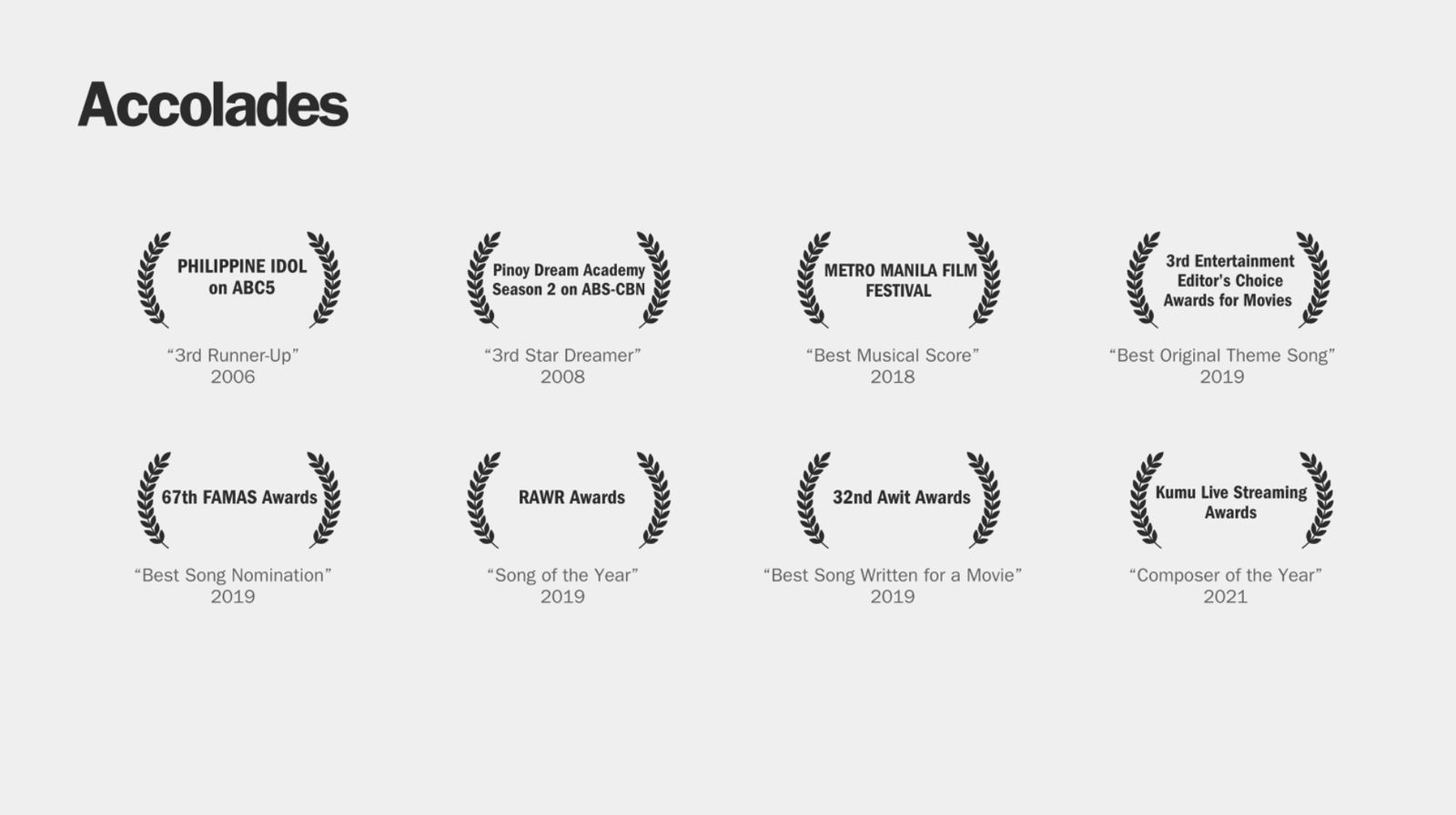
Recorded by Sarah Geronimo as the official theme song of Miss Granny, the song became one of Miguel’s most recognized works. It won the 2019 Awit Award for Best Song Written and Performed for a Movie, TV, or Stage Play and received a nomination for Best Original Song at the 67th FAMAS Awards.
Years after audiences first connected with the song through Sarah Geronimo’s voice, Miguel is now releasing his own version of “Isa Pang Araw.” More than a reinterpretation, the release represents a return to the emotions and experiences that shaped the song.
A Story Still Being Written
Looking back at the version of himself who wrote “Isa Pang Araw,” Miguel sees an artist who was still discovering his identity.
“I think he would say, ‘It took you a while, but I’m glad you kept going,’” he shared.
Today, Miguel continues to create music with a deeper understanding of his craft. His journey taught him that the strongest songs do not always come from perfect moments. Sometimes, they come from uncertainty, change, and the courage to begin again.
For aspiring songwriters, his advice remains simple: write honestly.
“Do not be afraid to write the truth about what you really want to say,” Miguel said.
From a young performer chasing a dream to a songwriter creating stories that last, Miguel Mendoza proves that music is more than sound. It is a collection of moments, memories, and emotions waiting to be shared.

Other Stories






No Comment! Be the first one.