









The Filipino Christmas season does not wait for December—it arrives early because Filipinos eagerly embrace celebration and joy. When the “ber months” begin in the Philippines, a thrilling excitement immediately sweeps the country.
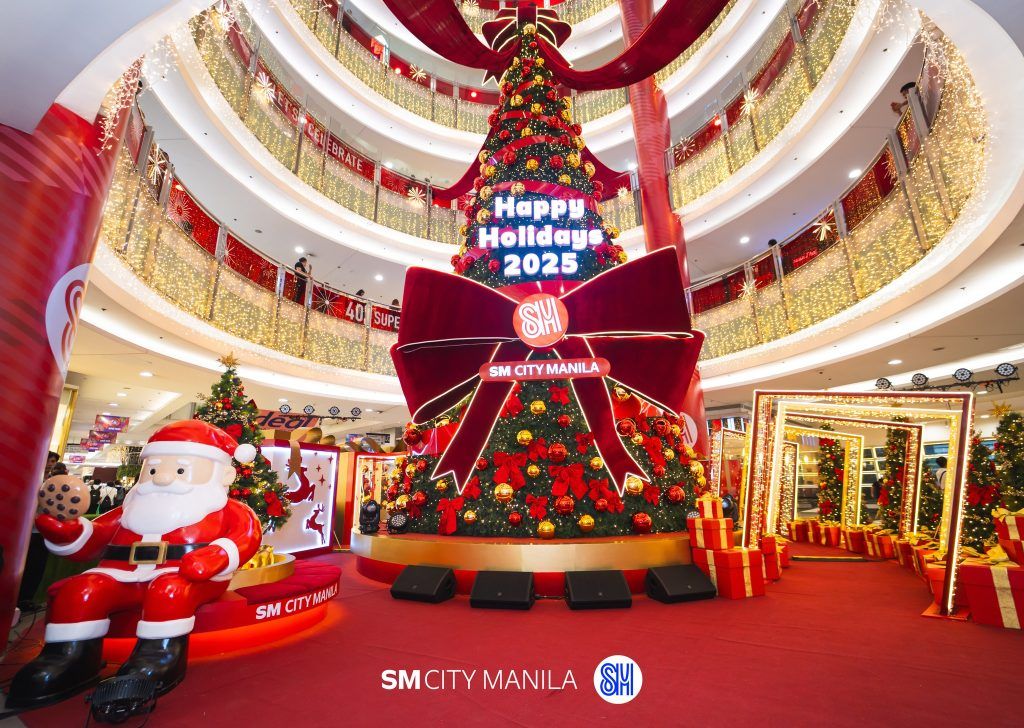
Decorating, arranging, and playing traditional carols become second nature in the country as the holiday spirit starts. Every home and building is illuminated with lights, while malls begin to play Christmas songs long before many other countries even consider Christmas preparations.
This extended period is not about rushing the holiday season, it is about enjoying the festivities thoroughly because Christmas deserves extra time and attention.
Parols: The Bright Start of Every Filipino Home
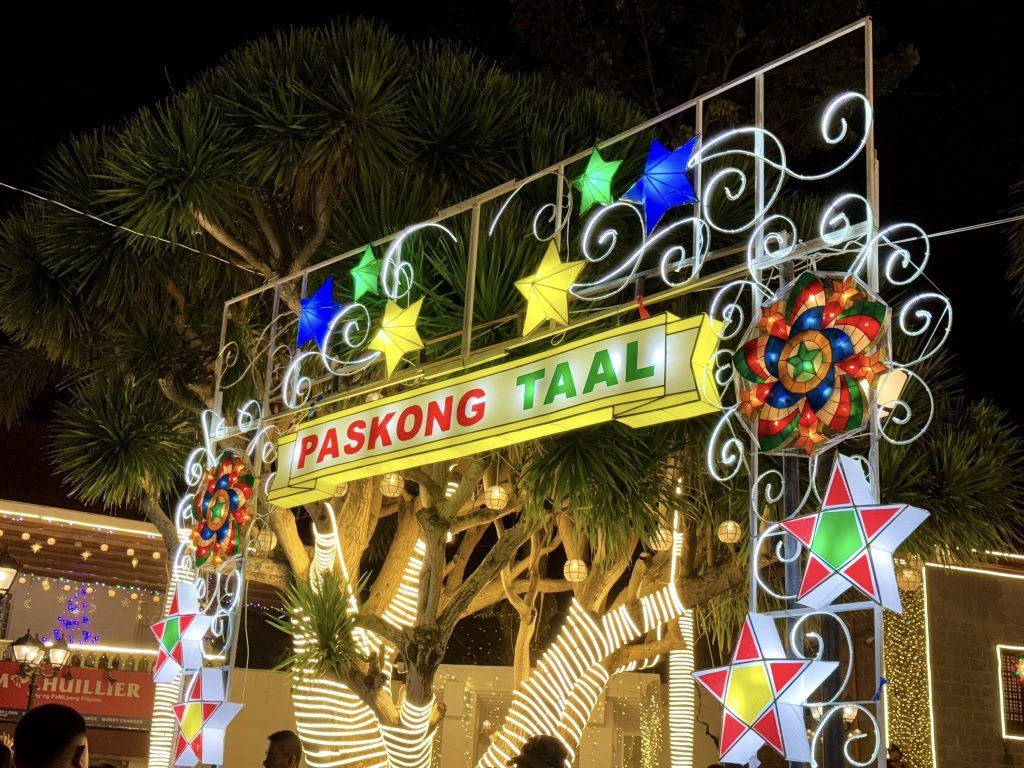
Christmas is incomplete without a parol hanging prominently outside every establishment—it is an absolute necessity. This colorful, star-shaped lantern is the most beloved symbol of the Filipino Christmas season.
Parols are constant reminders of home, cherished memories, and the simple happiness found in childhood holidays. Whether handmade or bought in stores, parol adds warmth while making families closer together.
Simbang Gabi
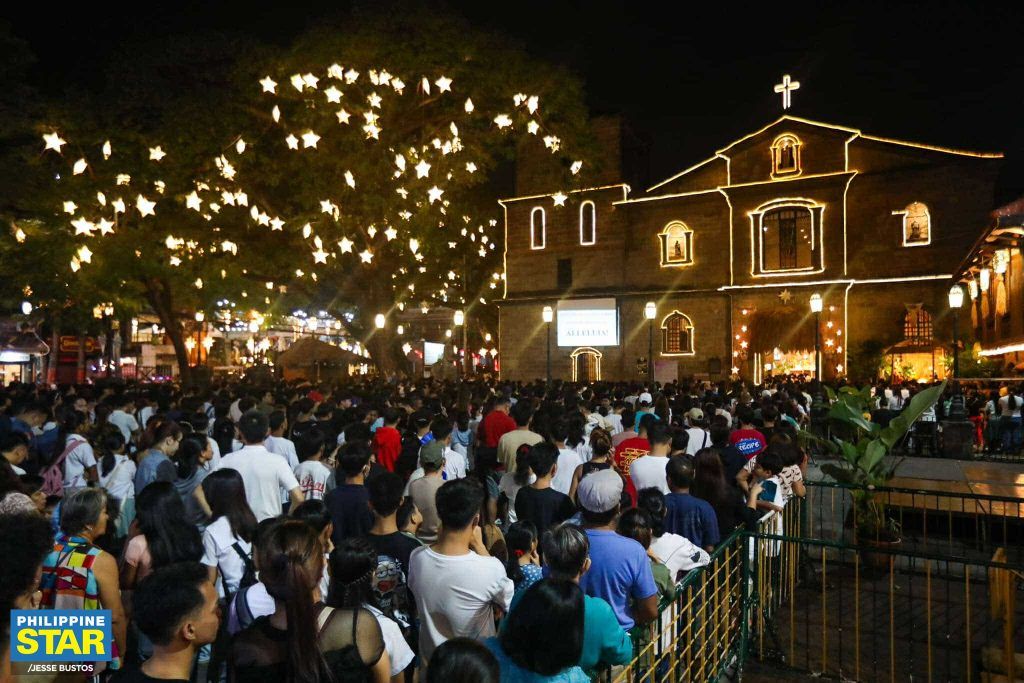
Simbang Gabi starts before sunrise. It consists of nine traditional dawn Masses that solemnly lead the community up to Christmas Eve, specifically running from December 16th to the 24th. Despite being extremely early, devout Filipinos still attend and pray for the approaching Christmas season.
In Simbang Gabi, Pipol quietly whisper their deepest wishes, families hold onto their hopes, and elders stand steady in their faith as the dark sky slowly shifts to gold. This shared communal devotion and sacrifice just beautifully express the core of Filipino faith.
As tradition faithfully promises, believers, completing all nine Masses, receive fulfilment for their most heartfelt wish.
Puto Bumbong and Bibingka: The Sweet Reward of Dawn
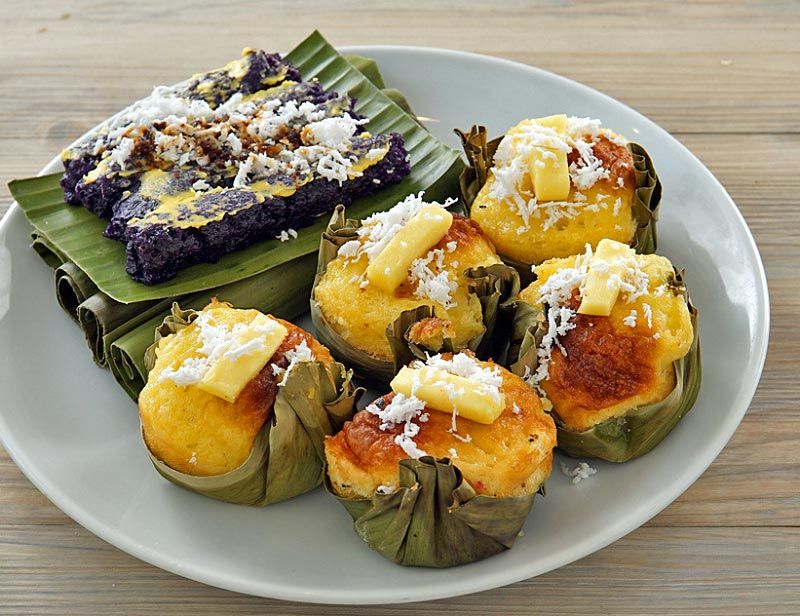
The whole Simbang Gabi experience is beyond the church doors. As the Mass ends, the distinct, unmistakable aroma of puto bumbong and bibingka drifts sweetly through the cool morning air.
The purple sticky rice of puto bumbong, steamed in bamboo tubes, offers a comforting reward topped with cheese, melted butter, and coconut. Alongside it, the charcoal-baked bibingka, a fluffy rice cake with salted egg and cheese, warmly embodies the entire season.
These delicacies are the sweet, steamed culinary link that successfully turns an act of faith into something special.
Grand Family Reunions
Grand family reunions often take place in December, fostering strong family unity and creating a vibrant holiday celebration. Families host a variety of events, ranging from small gatherings to large, extended clan gatherings. People fill the atmosphere with loudness, happiness, and mandatory activities, such as parlor games.
Relatives also actively prepare special Christmas performances for weeks, often practicing carols and choreography to entertain the family crowd. No Filipino celebration is complete without the videoke machine. It instantly provides endless, joyful musical entertainment throughout the event.
People eagerly grab the microphone and queue their classic ballads and current pop hits. These events serve as a bonding experience and a shared memory for Filipino families before the year ends.
The Joyful Chase for Ninong and Ninang
One unique Christmas ritual involves the playful search for one’s ninong or ninang (godparents) during the festive season. Everyone instinctively knows the drill: godparents suddenly become “busy” trying to avoid their inaanak (godchildren) seeking gifts. Children approach their godparents with innocent smiles, while families jokingly refer to “collecting necessary holiday blessings.”
The primary incentive for this playful chase is the aguinaldo, the anticipated traditional gift, typically money, that godparents give their godchildren. This tradition focuses less on the gift’s material value. Instead, it acknowledges and blesses the younger generation for the coming year.
Monito Monita
Monito Monita, a Filipino version of Secret Santa, brings laughter and chaotic energy to every Christmas gathering. Friends, family, classmates, and coworkers all join in this fun tradition by exchanging themed gifts chosen specifically for one person.
The tradition maintains one strict rule: participants must not reveal the identity of their chosen monito or monita until the final day. The best part is the highly anticipated reveal, when people expose secret identities, and the whole room typically erupts into festive teasing and applause.
Caroling: Melodies of Joy
Caroling breathes vibrant life into all Filipino neighborhoods, spontaneously bringing melodies that echo pure joy and unstoppable energy throughout the night. Kids rehearse, teens create harmonies, and adults often join in with nostalgic memories of their own past.
From small groups of neighbors to organized teams collecting money for important local charities. Caroling fosters a beautiful bond of shared happiness during the season.
Noche Buena
When the clock strikes twelve midnight on Christmas Eve, Filipino households gather for the traditional holiday feast, the handa. The crispy lechon, hamon, fruit salad, and every single dish immediately show the essence of Filipino Christmas.
Noche Buena provides much more than a meal; it connects the entire family across generations through shared food and love. This tradition creates a joyful reunion, bringing family members and precious memories together.
Media Noche
Filipinos greet the coming new year not quietly but with profound hope that lights up the sky like fireworks and blasts away bad luck. Even though Chrismtas season has offiicially celebrated, the festive atmosphere still continues. During Media Noche (New Year’s Eve), families gather again for a feast that bridges the end of December and the start of January.
Filipinos set their tables with dishes steeped in tradition, meaning, and good fortune. The noise and celebration, from the booming fireworks to the loud laughter, serve to ward off evil and ensure a fresh start.
Every element of the feast and celebration holds a specific wish for the year ahead: Round fruits for prosperity, long noodles for life longevity, and the celebratory noise that guarantees good luck by driving away negative energy.
Christmas Lives Beyond December
Even after January completely arrives, people still keep their Christmas decorations. The joyous spirit truly remains alive across the country.
In the Philippines, Christmas genuinely is more than a season—it is a heartfelt celebration. A deep sense of culture, family bond, growth, and faith truly make it the most sincere Christmas worldwide.






No Comment! Be the first one.