










You already know every scene.
You know which episode will make you laugh after a long day. You know exactly when your favorite character delivers the line you’ve heard a hundred times before. You know how the movie ends before the opening credits have even finished rolling.
So why are you pressing play again?
For a generation raised on endless recommendations, streaming algorithms, and the pressure to keep up with the next big release, choosing something you’ve already watched can almost feel like a waste of time. There is always another series to binge, another critically acclaimed film to add to your watchlist, another viral video everyone seems to be talking about.
Yet somehow, we return.
Not because we’ve forgotten the ending, but because we’ve remembered how it makes us feel.
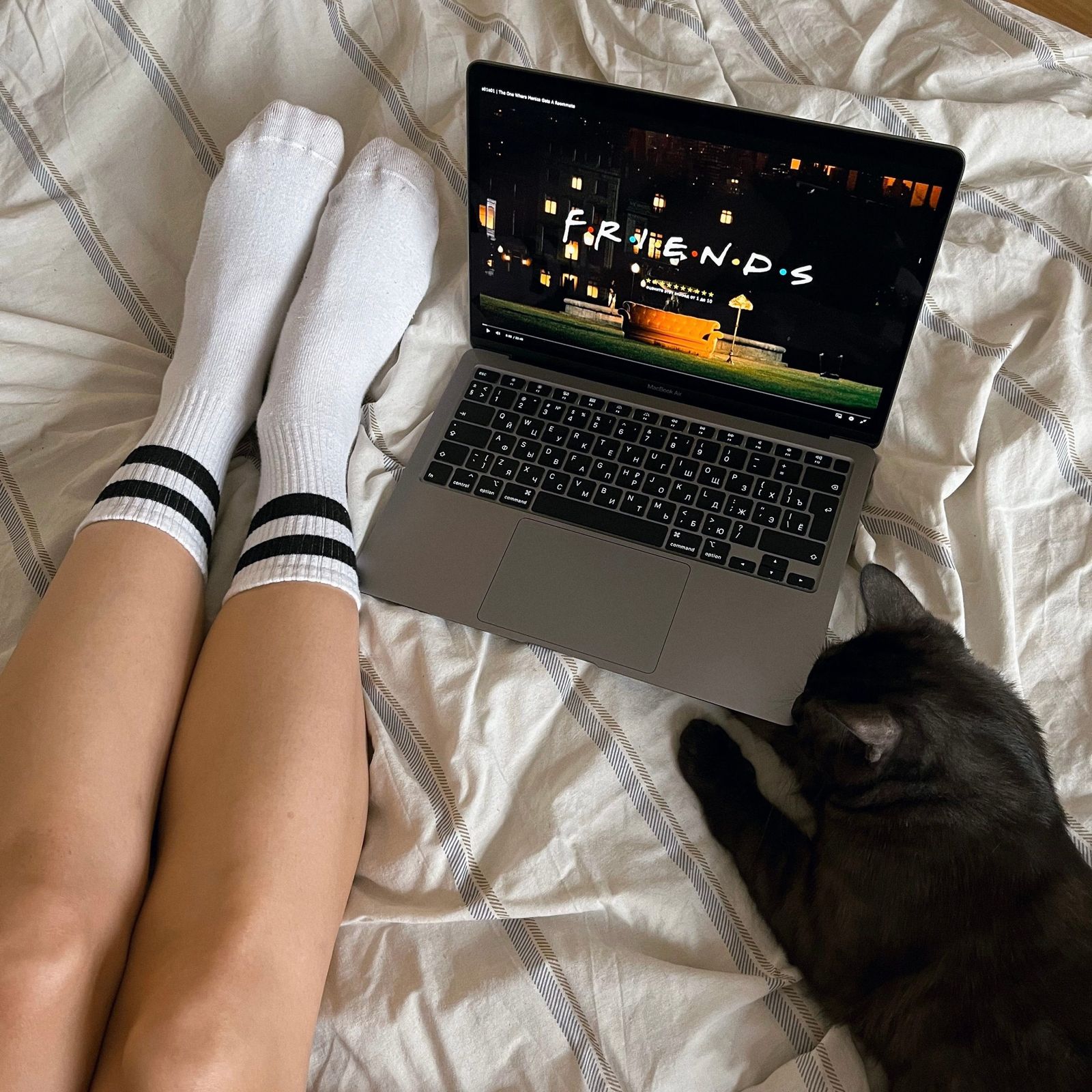
Comfort media has quietly become one of the defining habits of modern life. Whether it’s replaying a beloved sitcom while folding laundry, revisiting a favorite coming-of-age film on a rainy afternoon, letting a familiar YouTube cooking video play in the background, or rewatching an animated film that once made childhood feel a little bigger, these choices often have very little to do with entertainment alone.
Sometimes, they’re simply about finding a place that still feels familiar.
The Comfort of Knowing
Life rarely gives us certainty.
Messages arrive unexpectedly. Plans change. Headlines grow heavier by the day. There is always another deadline, another responsibility, another reason to feel overwhelmed. In a world that constantly asks us to adapt, familiar stories offer something increasingly rare. They stay exactly the same.
When we revisit a favorite film or series, we already know that everything will be okay. The ending never changes. The characters remain familiar. Their world asks nothing from us except to be present.
Nostalgia and familiarity are often connected to emotional comfort. When we already know a story, it feels lighter to experience it again. We stop worrying about what comes next and simply settle into how it makes us feel.
That is why comfort media is deeply personal.
For one person, it might be watching Pride & Prejudice every rainy afternoon. For someone else, it could be revisiting Spirited Away, replaying favorite episodes of Modern Family, or letting a familiar cooking vlog play softly in the background while doing chores. Others return to old Minecraft let’s plays, video essays they’ve already memorized, or Spotify playlists they’ve been listening to since high school.
The title almost doesn’t matter.
What matters is how it makes us feel.
We’re Not Escaping Reality. We’re Returning to Ourselves.

Comfort media is often mistaken for escapism, as though revisiting familiar stories means avoiding reality. But there is an important difference between escaping life and giving yourself space to breathe.
Rest is not avoidance.
Choosing to spend two hours with characters who feel like old friends does not erase responsibilities. It simply creates enough distance for us to return to them with a clearer mind.
In many ways, comfort media resembles rereading a favorite book. You are not searching for new information. You are searching for a familiar feeling.
Think about the last time you recommended your favorite movie to someone. Chances are, you weren’t talking about its plot. You were talking about how it made you feel.
“It feels like home.”
“It always makes me laugh.”
“I watch it whenever I’m having a bad day.”
Those reactions say more than any review ever could.
The same is true for the music we replay until every lyric becomes second nature or the YouTube channels we leave running while studying, eating, or falling asleep. They become part of our routines, quietly accompanying us through seasons of our lives. Years later, revisiting them doesn’t just bring back the story. It brings back memories of who we were when we first found them.
That emotional connection is difficult to replace with something entirely new.

Perhaps that is why comfort media continues to matter, even in an era obsessed with keeping up. We are constantly encouraged to consume the latest series, the newest films, and whatever everyone else is talking about. While discovering something new can be exciting, there is also value in returning to stories that have already earned a place in our lives.
They remind us that familiarity is not the opposite of growth.
Sometimes it is what allows growth to happen.
So the next time someone asks why you’re watching the same movie for the tenth time or replaying a series whose dialogue you already know by heart, maybe the answer is simpler than they expect.
You are not watching it because you’ve forgotten the ending.
You are watching it because, for a little while, it helps you remember yourself.
Featured Image: cottonbro studio









No Comment! Be the first one.