









Pride Month in the Philippines: The Joy, the Struggle, and Why June Still Matters
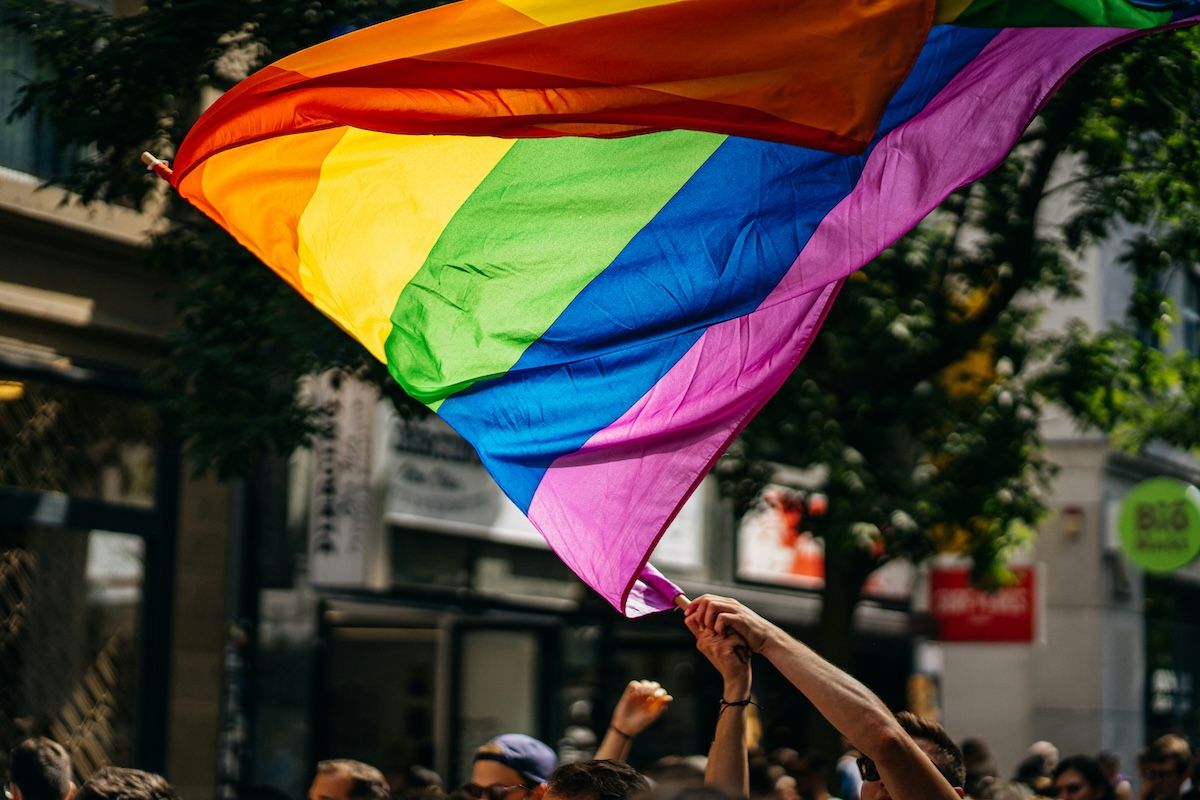
Every June, the Philippines blooms in bahaghari. Rainbow flags ripple over the avenues, glitter catches the Manila sun, and thousands gather to dance, march, and simply be seen. Pride Month here is loud, joyful, and unmistakably Filipino. But spend a little time in the crowd and you’ll notice something underneath the confetti: a community celebrating how far it has come while pushing, still, for how far it has to go. Pride in the Philippines is both a party and a protest—and to understand it honestly, you have to hold the good and the hard at the same time.
The Good: A Celebration Like No Other
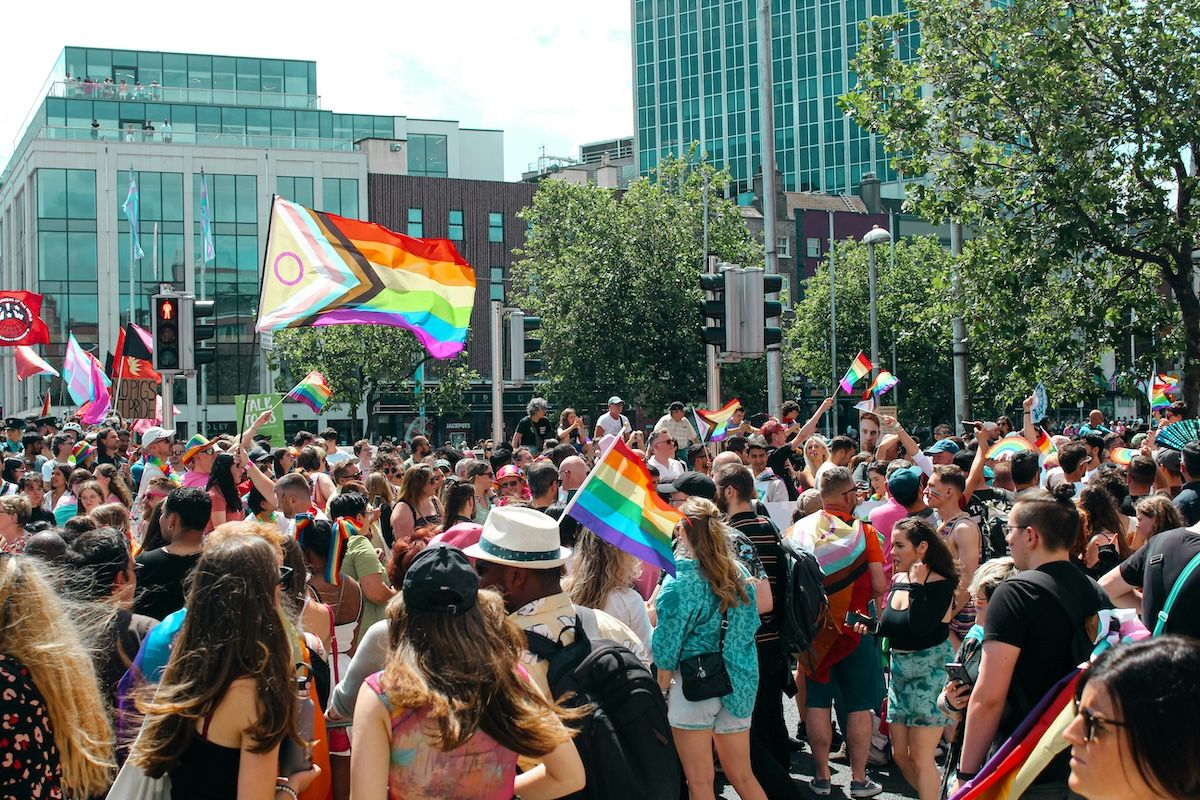
There’s a lot to be proud of. The Philippines holds a remarkable place in queer history: in 1994, Quezon City hosted the first Pride march in Asia. Three decades on, that small, brave procession has grown into one of the biggest Pride gatherings on the continent—the 2024 Pride PH Festival drew around 200,000 people, a sea of color that the first marchers could only have dreamed of.
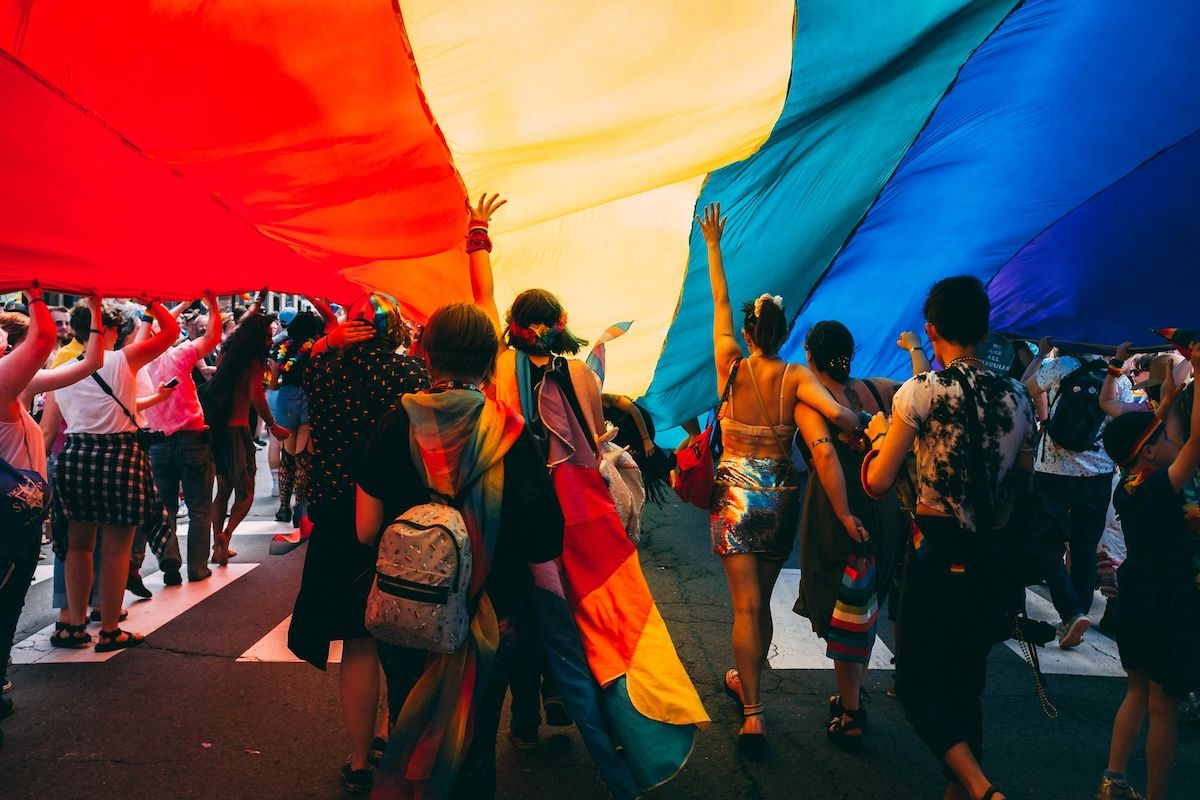
Beyond the headline numbers, Pride Month has become a season of genuine visibility and belonging. Drag artists headline mainstream stages, parents march for their queer kids, and local governments like Quezon City have passed anti-discrimination ordinances and rolled out programs for LGBTQIA+ Filipinos. Workplaces host forums, universities run month-long celebrations, and allies turn up in numbers. For many young Filipinos, June is the first time they see their identity reflected back without shame—and that matters more than any statistic.
It’s also distinctly ours. Filipino Pride carries the same warmth as a town fiesta—the pakikisama, the humor, the music, the food—wrapped around a serious message of dignity. When families show up in matching shirts to cheer on a son or a sibling, you remember that acceptance often starts at home.
The Hard Part: When the Confetti Settles
And yet, for all the color, the Philippines still has no national law protecting its LGBTQIA+ citizens from discrimination. The SOGIE Equality Bill—first filed back in 2000—has languished in Congress for more than two decades, making it one of the slowest-moving bills in the country’s history. Year after year it is reintroduced, debated, and quietly shelved, often stalled by procedural moves and a steady drip of disinformation that falsely paints it as a “same-sex marriage” or “special rights” measure.
That legal gap has real consequences. Outside the rainbow bubble of June, many queer Filipinos still face rejection at home, ridicule at school, and quiet discrimination at work—especially in rural areas and poorer communities far from Metro Manila’s big celebrations. The country’s famous tolerance, advocates often point out, isn’t always the same thing as acceptance. It can be easy to be welcomed as the funny tita or the talented performer; it is harder to be protected as an equal under the law.
Rainbow Capitalism and the Question of Sincerity
Then there’s the matter of who shows up—and why. Every June, brands drape their logos in rainbows and release Pride collections, only to pack the colors away on July 1. Filipino advocates have a name for it: rainbow capitalism, the kind of performative allyship that profits from the community’s struggle without standing with it the rest of the year. Visibility is welcome; sincerity is better. The challenge advocates keep raising is simple—if a company can sell Pride, it can also stand for it when the cameras are off, through inclusive policies, fair workplaces, and year-round support.
More Than a Party
It helps to remember what Pride actually is. Beneath the floats and the music, the march has always been a protest—a public, joyful demand to be treated as fully human. The forums, the workshops, the speeches, and the quiet conversation between a parent and a child finally understanding each other: that’s the real work of June. The celebration is the reward; the cause is the point.
So is Pride Month in the Philippines a good thing? Without question. But it isn’t finished—and the people who march know that better than anyone. They carry both truths in the same breath: gratitude for how far love has come, and resolve for the rights still waiting in a committee room somewhere. That mix of joy and stubborn hope might be the most Filipino thing about it.
This June, when you see the bahaghari rise over the crowd, look a little closer. Behind every smile is someone who fought to stand there—and someone making room for the person who comes next. They deserve more than a month. They deserve a country that sees them all year.
Pipol MGZN will keep telling the stories of the Filipinos marching, building, and loving their way toward a more equal home—this Pride Month and every day after.
Maligayang Pride, Pilipinas. 🏳️🌈

Other Stories

A Father Who Built a Village


No Comment! Be the first one.